Blog
PR Tips for Purpose-Driven Organizations
Expert insights and practical PR advice for leaders and marketers of purpose-driven organizations.
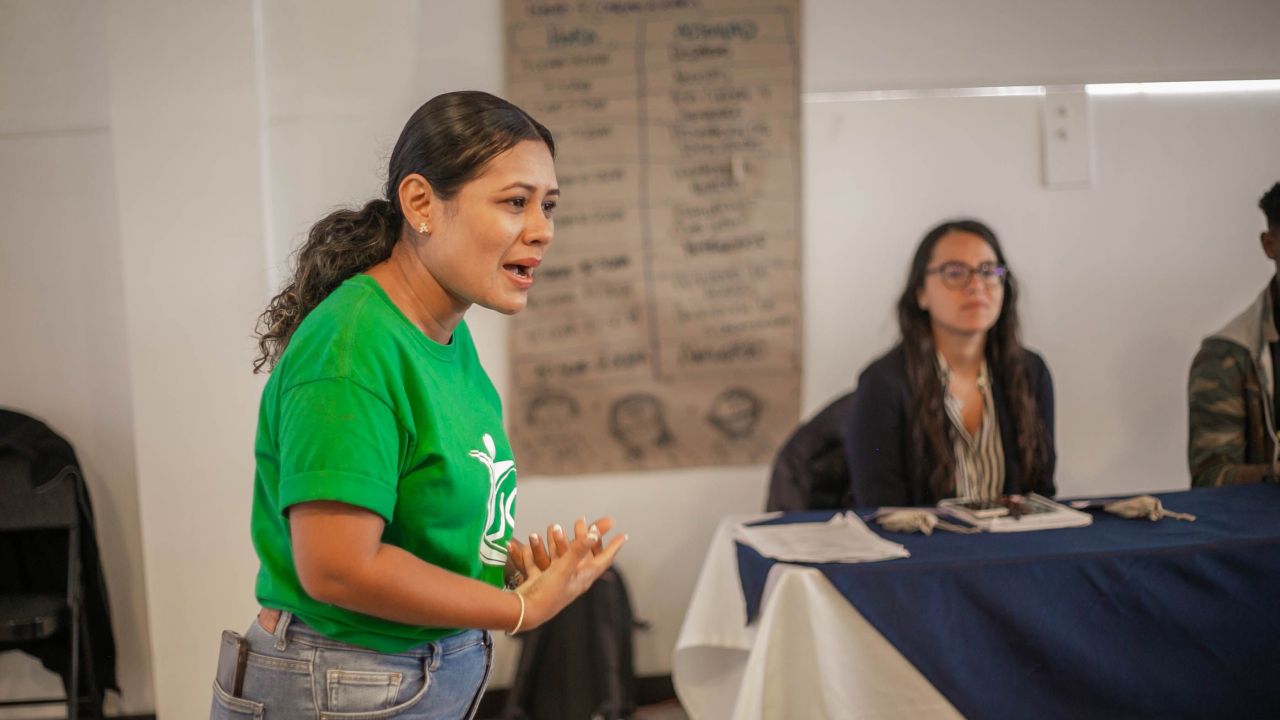
Your Mission Isn’t Your Story
Your mission statement describes what you do. The story proves you’re doing it. Learn why AI search tools reward specific, detailed nonprofit storytelling over vague mission language – and how to excavate the stories hidden in your program data.

How to write a GREAT press release and common mistakes to avoid
As a marketing/comms pro for a purpose-driven organization, you likely know what a press release is and that you should use a press release to share news. But what makes a good press release great? There are a lot of nuances to writing a press release that will yield coverage, but the key takeaways are to keep it interesting and make sure it is actually newsworthy.
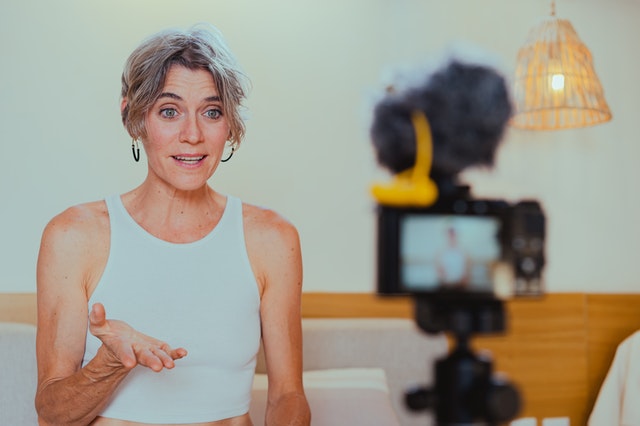
How to use thought leadership to become an influencer for the greater good
Want to be an influencer who works for the greater good? The good news is that you don’t have to do silly dances on TikTok in order to get noticed, you just need to execute a good thought leadership strategy. If you are trying to increase visibility for your cause, it is vitally important to create a platform from which to share your message and capture the attention of your audience.
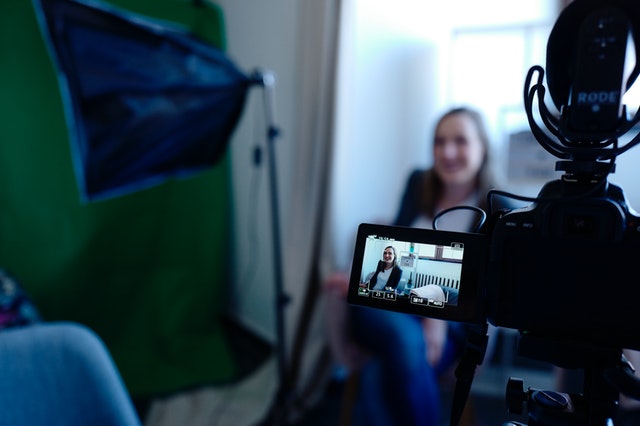
How to nail a media interview
Media interviews have many great benefits for your organization, so taking the time to prepare and nail the interview is always worth the effort. A successful interview will position you as an expert in your field, generate awareness for your cause, and can be a great point of differentiation from your competitors.

Want to do PR? Here’s how to get started
If you’ve been thinking about implementing a PR strategy for your business for the first time, start by setting goals and building a PR plan to help achieve those goals. You don’t need to hire an expensive agency to implement your PR strategy, having a plan and dedicating a chunk of time each month to execute your strategies will do the trick.

Is PR working for you? How to track and measure the success of your PR campaigns
Tracking the results of your PR campaigns is just as important as implementing the campaign in the first place. Here is our guide to the metrics and measurement tools you need to track your PR success.
The top 6 media pitches for purpose-driven organizations
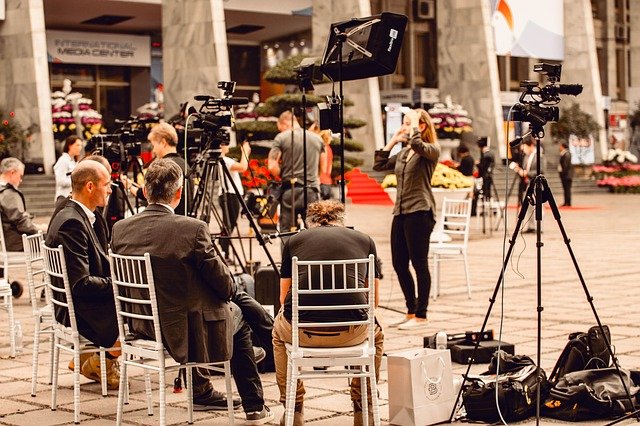
Want media coverage? First, you need a story or the ability to contribute valuable information, then you need a solid pitch. Here is our guide to successfully crafting the top 6 media pitches for purpose-driven organizations.

How to find media contacts and build an A+ media list
Successful media pitching starts with a good media list. When you have an amazing story to share, you have to make sure you get it into the right hands. Taking the time to fully research outlets and put the *right* contacts on your media list guarantees better results as you’ll be able to focus your pitching efforts on those who are best equipped to tell your story.

How to come up with winning evergreen story pitches
Evergreen pitching, like all elements of PR strategy, is a bit of an art form. Evergreen pitches hold tremendous potential and value, but where they lack timeliness, they must have substance in order to yield coverage. So how do you ensure your evergreen pitch results in the feature article? Here are a few elements that hold the key to success.
How to pitch – and get booked – for podcast interviews
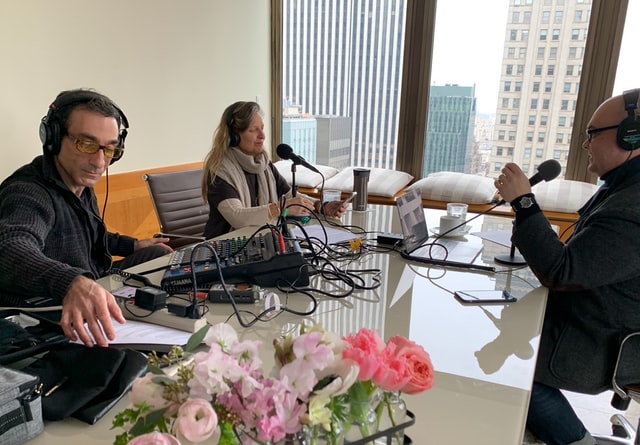
We have entered the age of the podcast! In terms of exposure, quality, and depth, podcasts rank as one of our top choices to garner attention for your cause and expertise. Whether you are a podcast veteran or new to the game, these tips for pitching and prepping will help you nail your next interview.

How to build PR momentum during the summer months
It’s summertime, and the (PR) pitching is easy! Even though you may not have a slew of big announcements to push out this summer, there are many ways to build momentum and stay connected with the media. Summer affords greater opportunities to build connections, expand expert positioning, share evergreen story angles, and begin pitching for Q4.

Using PR to put your cause in the spotlight
Practically overnight, Shannon Watts went from stay-at-home mom to founder of the largest gun violence prevention organization in the United States. How? Hard work, a team of angry and dedicated moms, and PR.
Tips for securing broadcast TV coverage
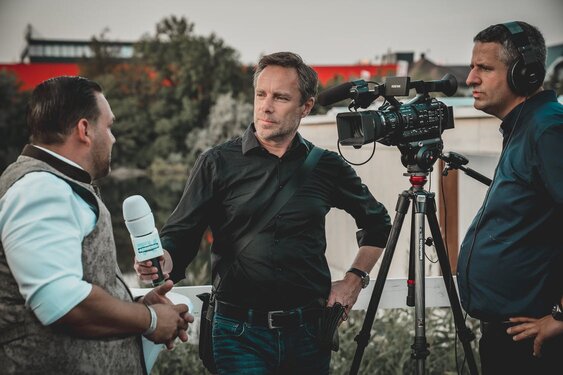
Broadcast TV coverage can be one of the most impactful tools in our PR toolbox, so much so that we recommend clients always look for ways to create visuals and those “TV moments” that yield an opportunity to get on the news. When planning annual fundraisers, openings of new locations, or other major events, always think of ways to include elements that could make for good TV visuals.